UX/UI Design

UX/UI

MyLatinDoc

Category

UX/UI Design

Client

Doc24

Start Date

January 2019

Type

Case study

Brand overview

Introduction

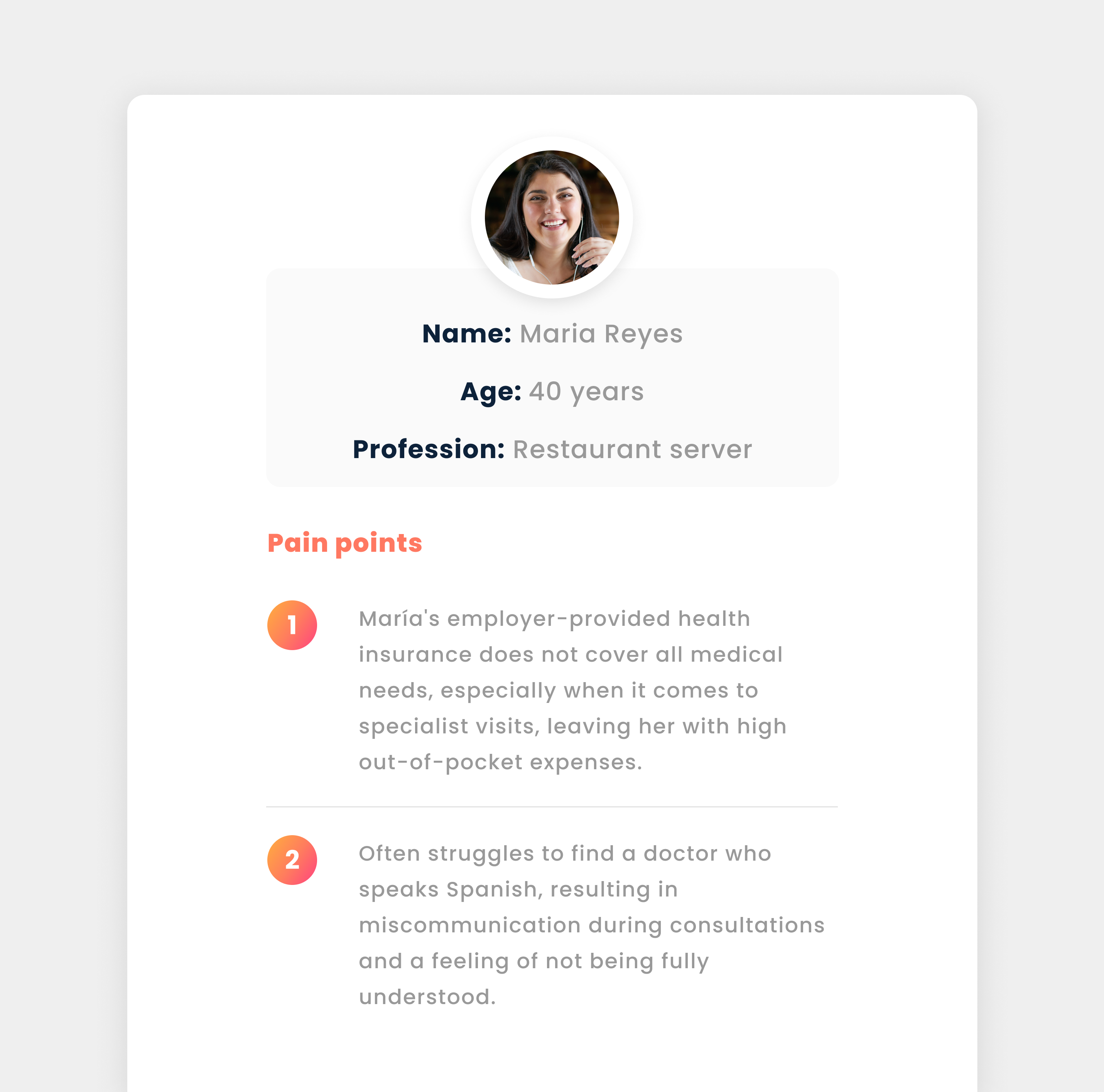
Many Latinos in the United States struggle to access quality healthcare, especially those without insurance or with limited financial resources. Language barriers, cultural differences, and high medical costs often prevent them from receiving proper medical attention. Traditional healthcare systems frequently lack inclusive and affordable options, leaving a significant portion of the Latino population underserved.

About

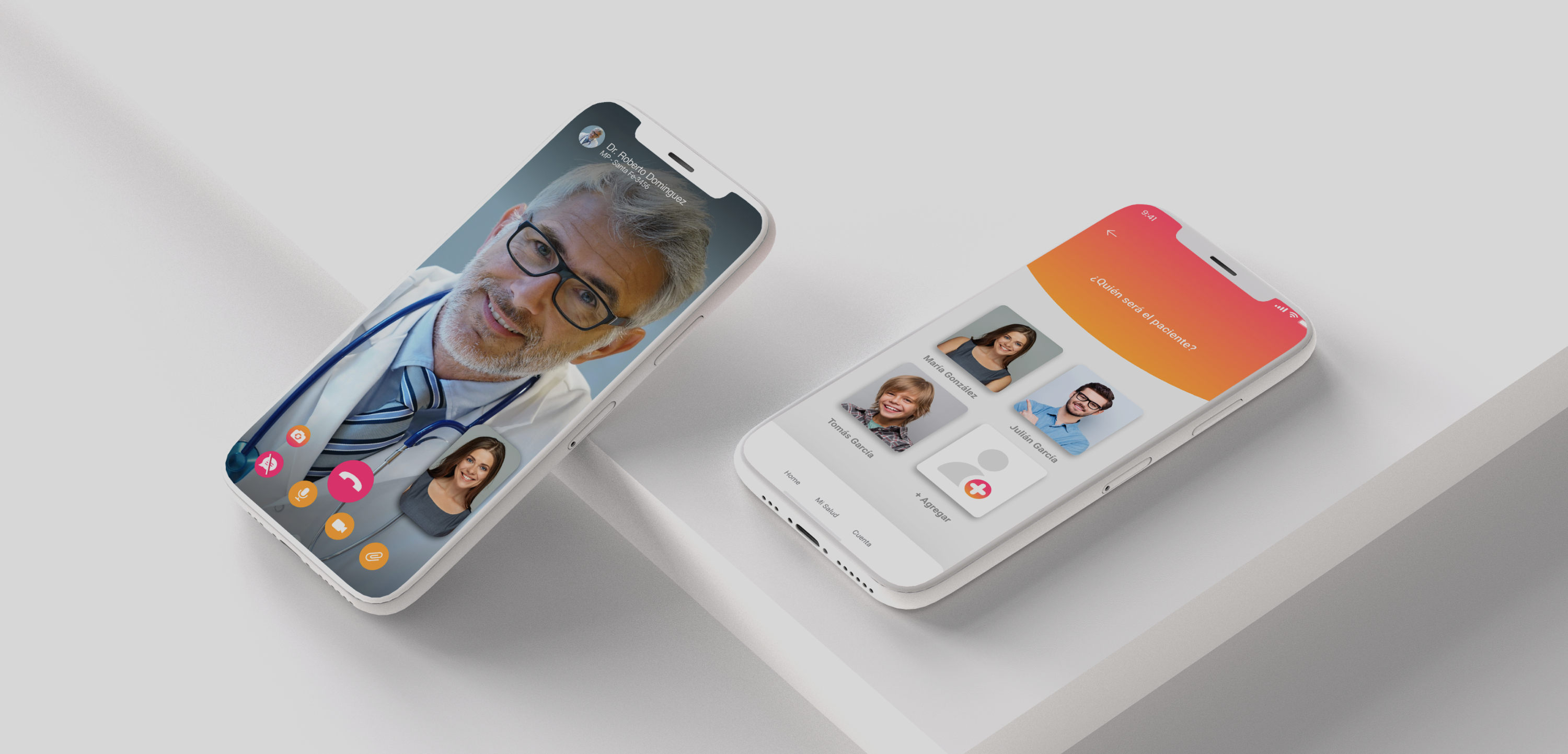
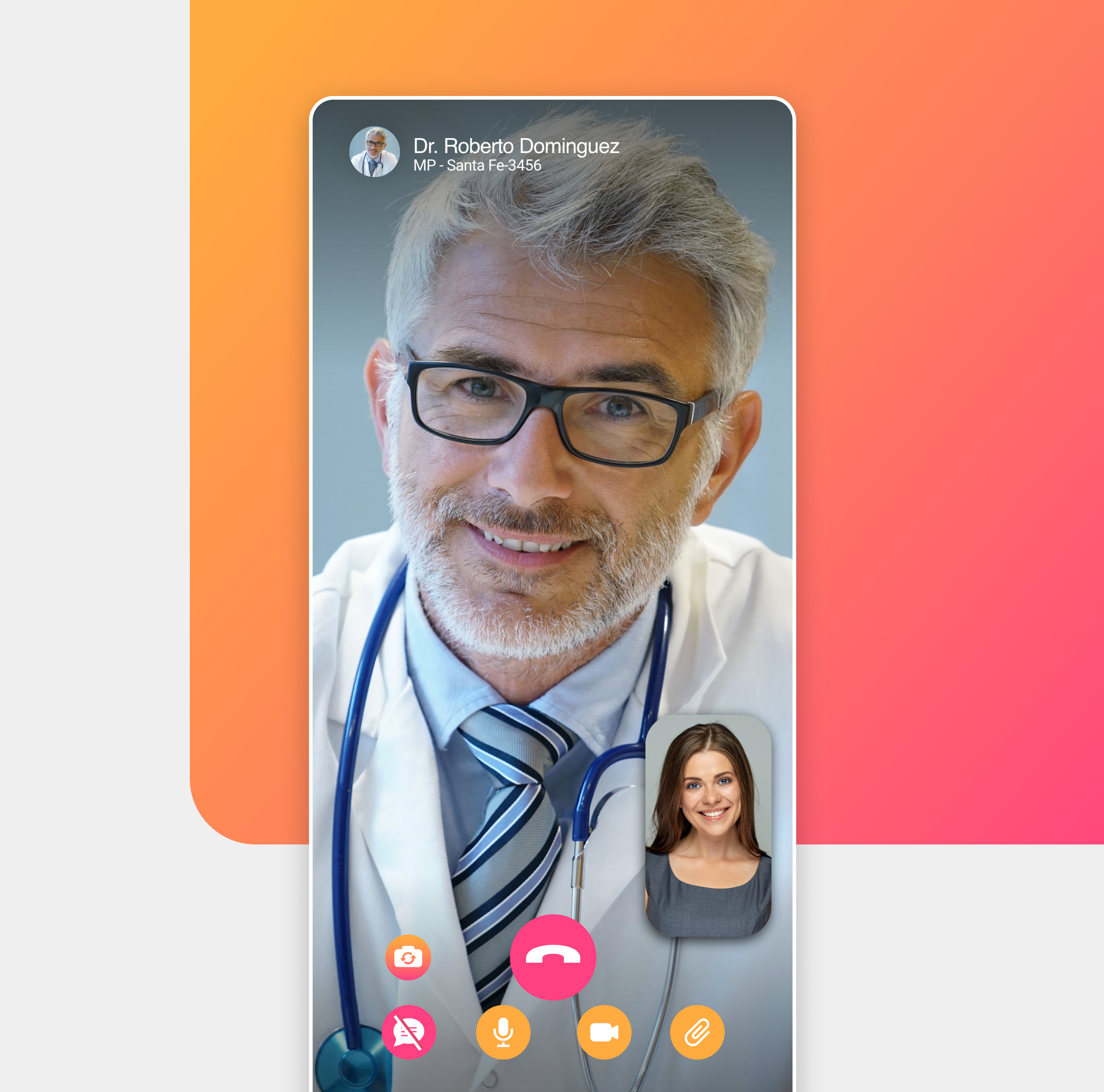
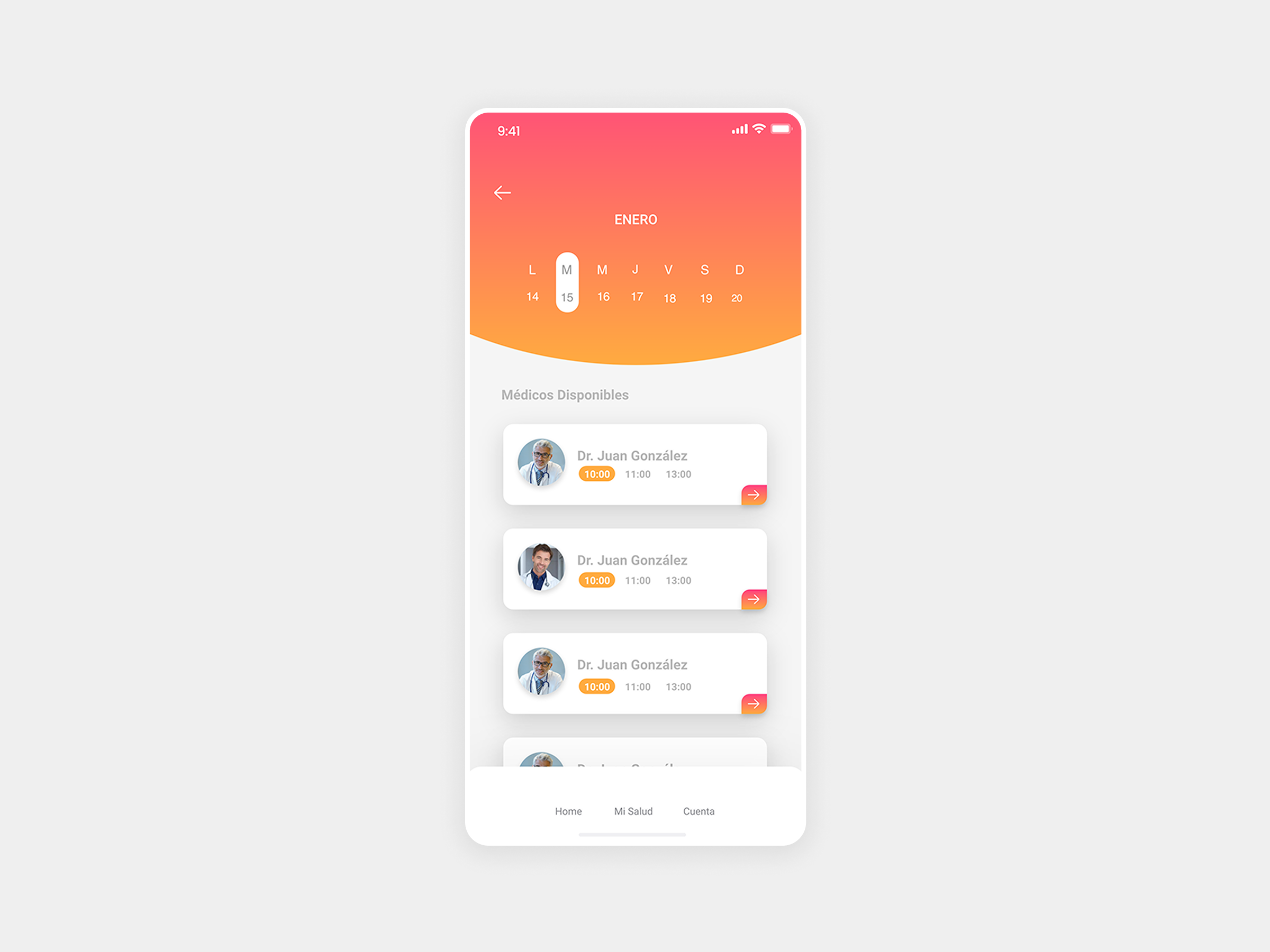
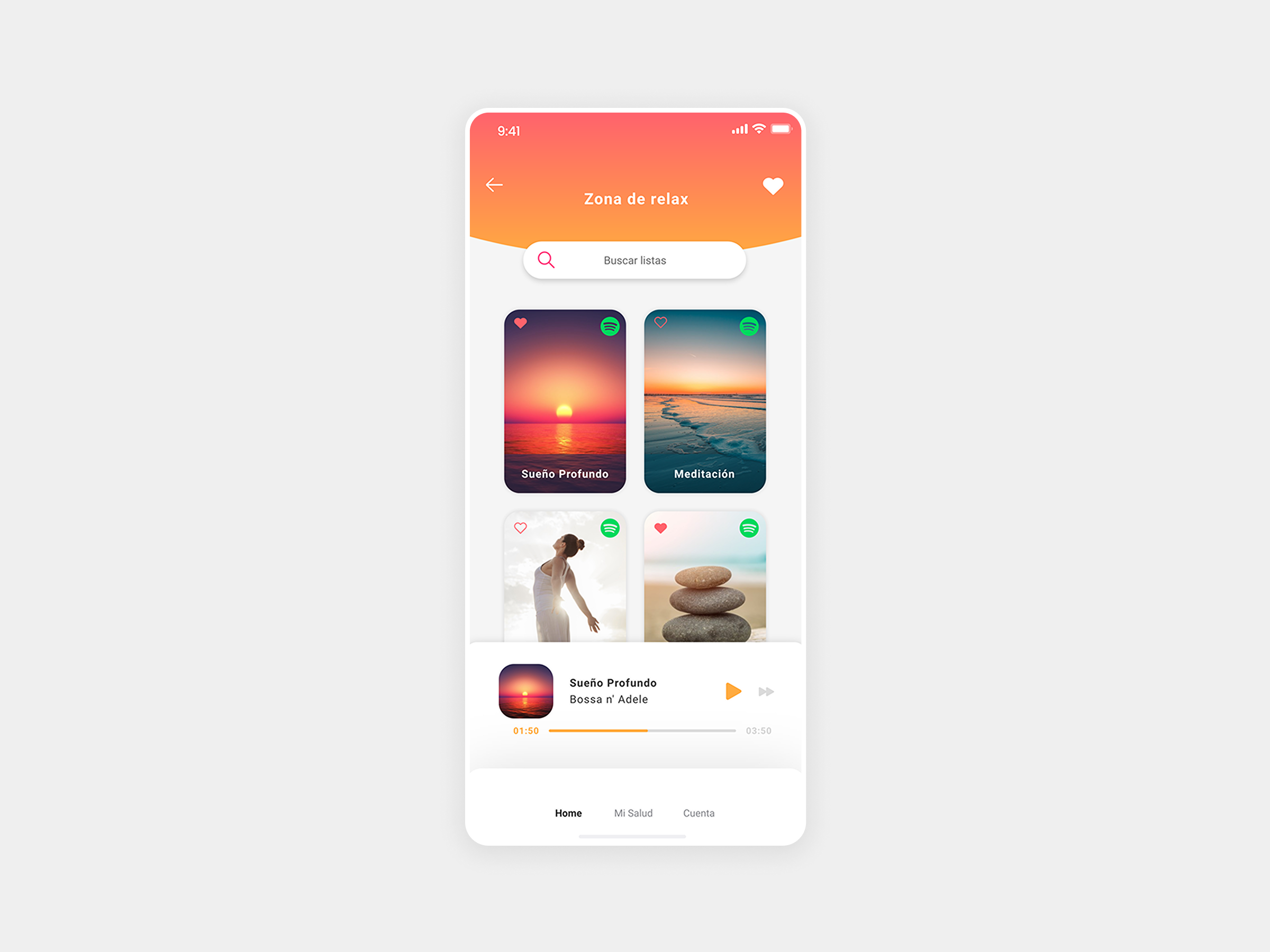
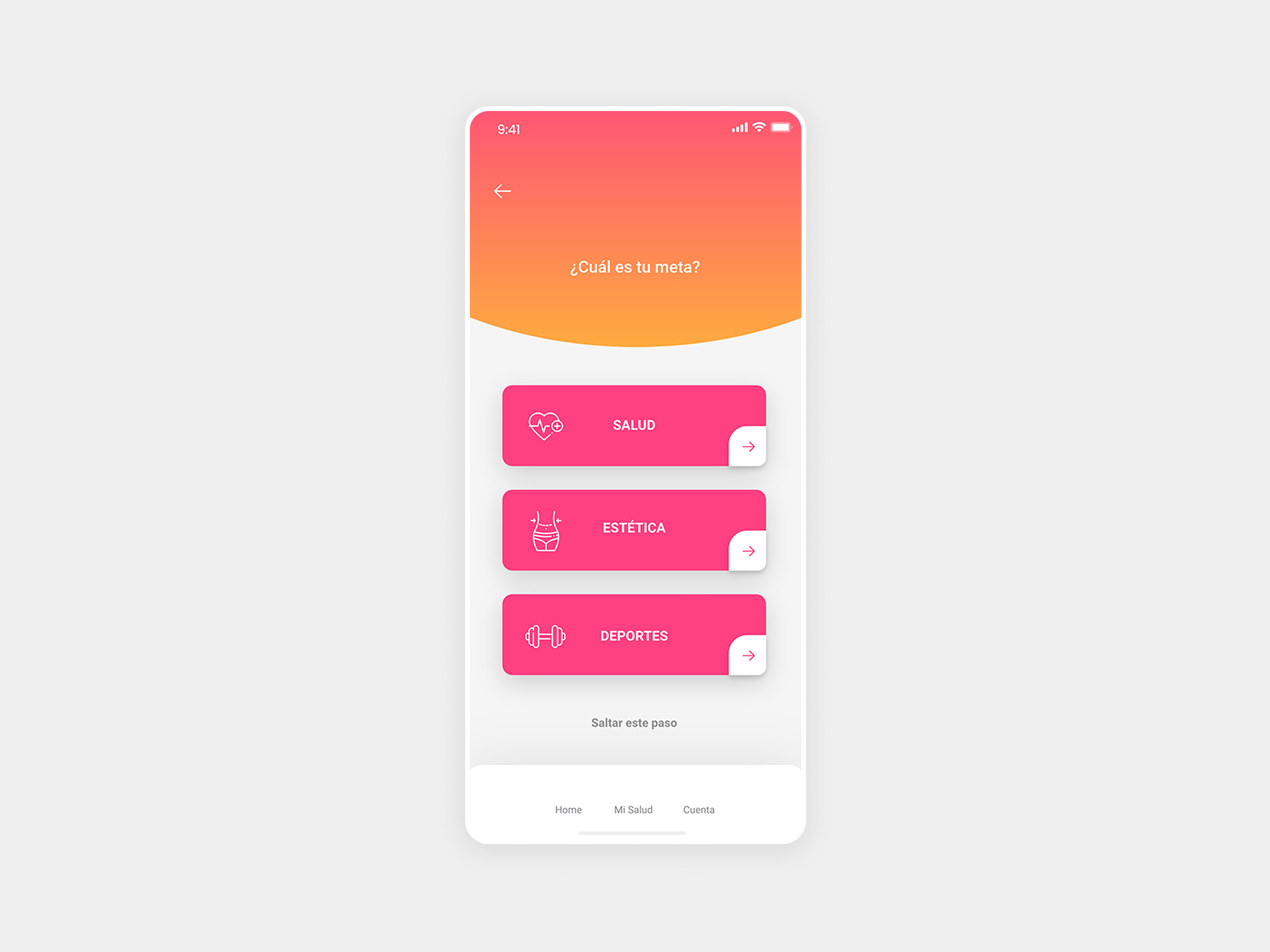
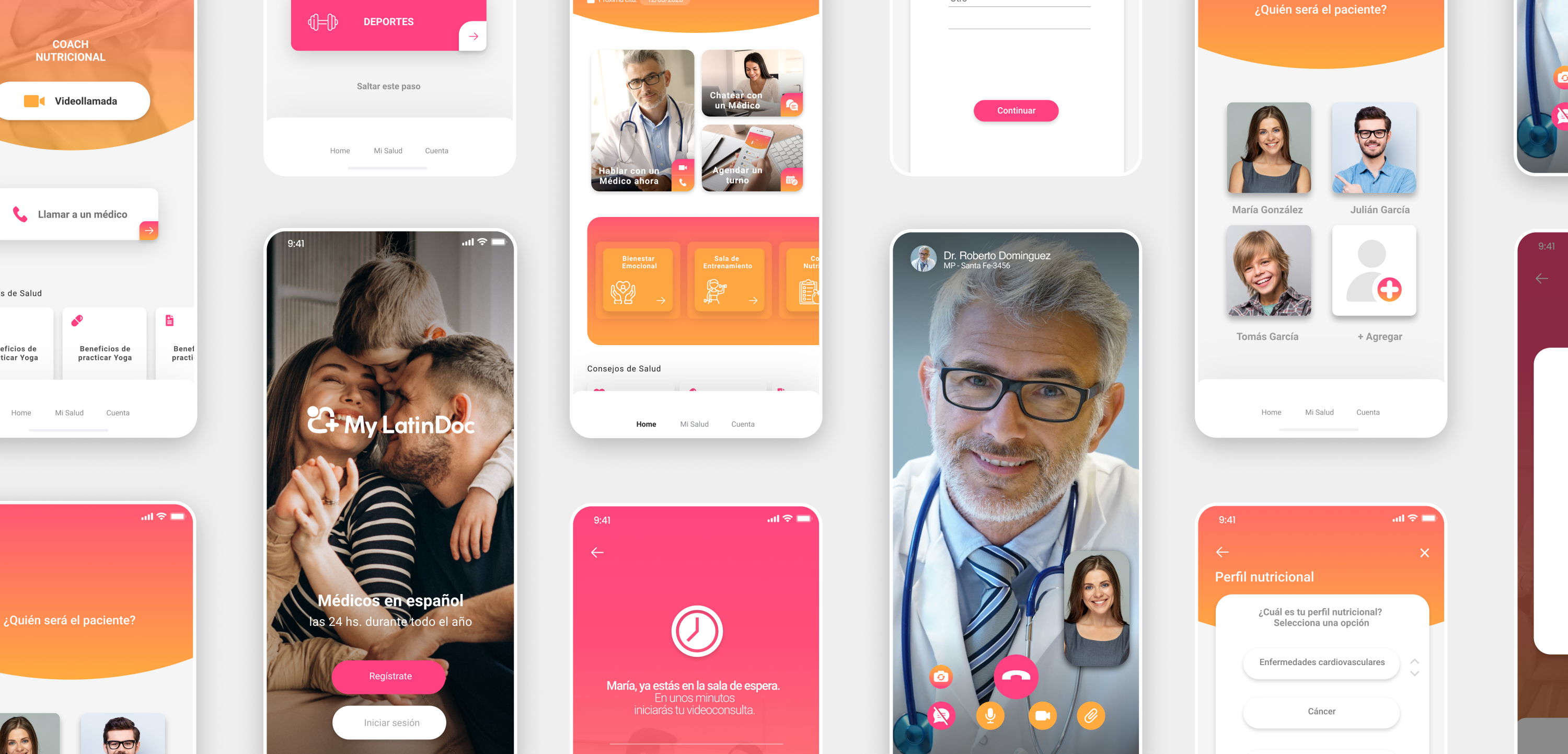
MylatinDoc is a telemedicine platform designed to bridge this gap by providing virtual consultations with Spanish-speaking healthcare professionals. It ensures that Latino patients receive medical attention in a culturally relevant and accessible way. The platform offers a seamless digital healthcare experience, enabling users to schedule appointments, access medical history, and communicate with professionals who understand their unique needs.

Design process

This project follows a structured UX/UI process to develop an intuitive and effective digital healthcare solution. It covers research, design, prototyping, and testing phases to ensure an optimized user experience. Outlines methodologies, tools, and strategies used to create a telemedicine service that prioritizes accessibility, affordability, and cultural sensitivity.

Empathize

To understand the needs, problems, and desires of Latino users in the U.S. regarding healthcare access.

Define

Problem Statement: "Latinos in the U.S. face linguistic, economic, and cultural barriers to accessing healthcare, impacting their well-being and quality of life."

Ideate

Proposed Solutions:

• Intuitive, Spanish-language interface.
• Transparent pricing and accessible payment options.
• Connection with certified Latino doctors.

Prototyping

Low-fidelity wireframes were created, followed by high-fidelity designs using Figma as main tool.

User Research

In-depth interviews

10 uninsured individuals were interviewed through one-on-one video calls to gather qualitative insights on their healthcare experiences, frustrations, and needs. Questions focused on their past medical visits, communication barriers, and affordability concerns. Interviews were recorded and analyzed for recurring themes.

Tools used: Google Meet for video calls, Google docs for note-taking.

Surveys

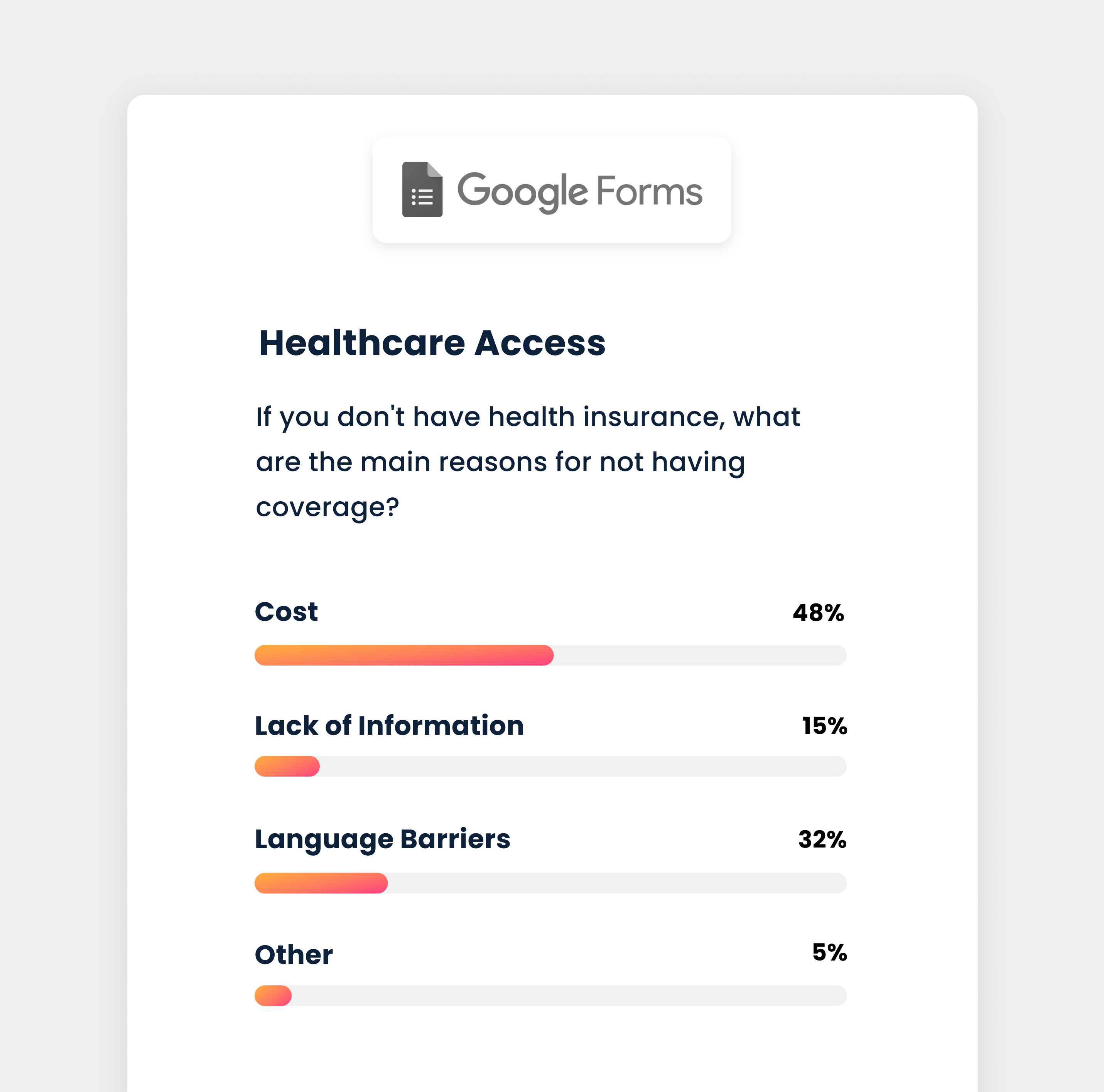
A survey was distributed to +100 individuals, both insured and uninsured, to collect quantitative data on healthcare access barriers. Questions covered topics such as preferred language for medical consultations, cost concerns, trust in telemedicine, and frequency of doctor visits. Responses were analyzed to identify trends and validate interview findings.

Tools used: Google Forms for survey distribution, Google Sheets for data analysis and visualization.

Benchmarking

A competitive analysis was conducted on existing telemedicine platforms like Teladoc and Amwell. Features, pricing models, user reviews, and accessibility options were compared to identify gaps in the market and opportunities for MylatinDoc.

Tools used: Google Sheets for comparative documentation, Miro for visual representation of strengths and weaknesses.

Proposed Solutions

After identifying key user pain points, multiple brainstorming sessions were conducted to explore possible solutions. Various concepts were sketched and discussed to determine the most viable approaches that aligned with user needs and business objectives. Idea validation was performed through initial feedback sessions with stakeholders and potential users.

Intuitive, Spanish-language interface

A user-friendly platform designed with simple navigation, clear terminology, and full Spanish language support to ensure ease of use for all users, regardless of their technical skills.

Transparent pricing and accessible payment options

A clear and straightforward pricing model with no hidden fees, along with multiple payment options, including installment plans and low-cost subscriptions, to make healthcare more affordable.

Connection with certified Latino doctors

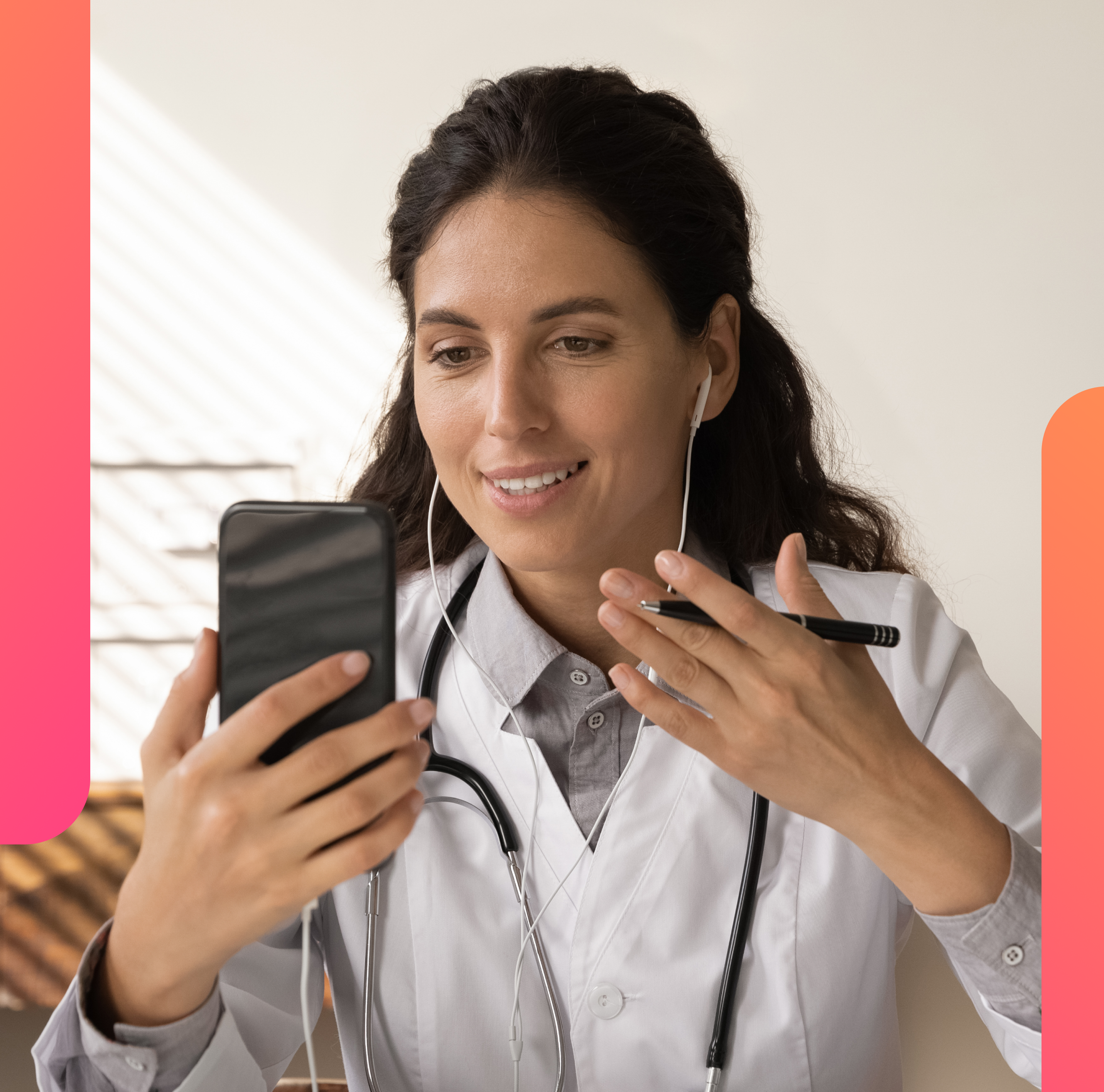
A curated network of licensed Spanish-speaking healthcare professionals who understand the cultural and linguistic needs of Latino patients, fostering trust and effective communication.

Conclusion

MylatinDoc successfully addresses healthcare access barriers for the Latino community in the U.S. through a user-centered, accessible, and culturally relevant digital platform. By focusing on language inclusivity, affordability, and ease of use, the platform ensures that Latinos can receive medical care that aligns with their unique needs and circumstances.

The research-driven design process allowed for a deep understanding of user pain points, resulting in a product that not only meets but exceeds expectations in terms of usability and accessibility. Iterative testing and user feedback played a critical role in refining the platform to offer a seamless healthcare experience.

As MylatinDoc continues to evolve, further enhancements such as AI-driven health recommendations and expansion into new medical specialties will strengthen its impact. Future iterations will also explore greater integration with insurance providers and additional payment assistance options to broaden accessibility. The ultimate vision is to create a trusted, go-to healthcare solution for Latinos in the U.S., empowering them with high-quality medical services tailored to their needs.

Next Steps:
• Implementing AI for health recommendations.
• Expanding to new medical specialties.
• Exploring integration with insurance providers.